
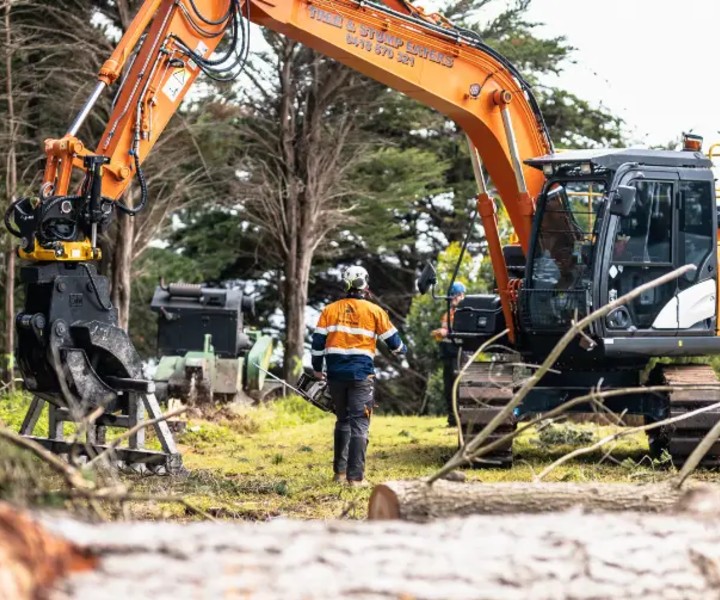
When a Tree Becomes a Hazard in Mornington: Signs It’s Time for an Arborist Assessment
Trees add value, shade, and beauty to properties across Mornington, but when a tree becomes unstable or unhealthy, it can quickly turn into a serious safety risk. Knowing when to seek a professional arborist assessment can help prevent property damage, personal injury, and costly council or insurance issues.
In this guide, we explain the warning signs that indicate a hazardous tree, when council or insurers may expect professional documentation, and why engaging a qualified, insured arborist matters.
What Does “Hazardous Tree” Mean?
A hazardous tree is one that poses a risk to people, property, or infrastructure due to structural weakness, disease, damage, or environmental factors. These risks may not always be obvious to untrained eyes, which is why professional arborist services are often essential.
Why Early Identification Matters
Many tree failures occur during storms, strong winds, or heavy rain. Early assessment allows hazards to be managed through pruning, lopping, or removal before emergencies arise.
Visible Signs a Tree May Be Unsafe
1. Cracks, Splits, or Cavities in the Trunk
Large cracks or hollow sections weaken a tree’s structural integrity. Even healthy-looking trees can fail if internal decay is present. An arborist can assess whether remedial work or tree removal is required.
2. Dead or Hanging Branches
Deadwood, particularly in the upper canopy, poses a serious risk to people, vehicles, and buildings. Professional tree lopping can often eliminate the hazard without removing the entire tree.
3. Leaning Trees or Sudden Changes in Posture
Trees that suddenly begin leaning — especially after storms — may have compromised root systems. This is a common cause of tree failure during severe weather events.
4. Root Damage or Soil Movement
Uplifted soil, exposed roots, or nearby construction damage can destabilise a tree. Arborist assessments often reveal underground issues that are otherwise missed.
Less Obvious Warning Signs Homeowners Miss
5. Fungal Growth at the Base
Mushrooms or fungal growth near the trunk can indicate internal decay. While not all fungi are dangerous, some species are strong indicators of structural weakness.
6. Reduced Leaf Growth or Canopy Dieback
Sparse foliage, early leaf drop, or dead sections of canopy may signal disease, pest infestation, or root failure.
7. Branches Overhanging Buildings or Power Lines
Even healthy trees can be hazardous when branches extend over homes, sheds, or utilities. Council-approved arborist intervention reduces liability risks.
When Mornington Peninsula Shire Council Expects an Arborist Assessment
Council may request a professional arborist assessment when:
- A protected tree is suspected of being dangerous
- Tree work is proposed within a Vegetation Protection Overlay
- A complaint or compliance investigation is underway
- Development or building works may impact existing trees
Engaging a local provider familiar with Mornington Peninsula regulations helps ensure reports meet council expectations.
Insurance Claims and Hazardous Trees
Insurers often require arborist documentation to confirm whether a tree failure was foreseeable or preventable. Without a professional assessment, claims involving fallen trees or branch damage may be delayed or denied.
Why DIY Inspections Aren’t Enough
While homeowners may notice visible damage, many structural issues are internal. Arborists use specialised knowledge and tools to assess decay, load distribution, and failure risk accurately.
Tree & Stump Eaters is a fully insured, 4th-generation arborist business with extensive experience assessing hazardous trees throughout the Mornington Peninsula.
What Happens During an Arborist Hazard Assessment?
- Visual inspection of trunk, canopy, and roots
- Assessment of tree health and structure
- Risk rating based on likelihood of failure
- Clear recommendations for pruning, monitoring, or removal
- Documentation suitable for council or insurance use
FAQs: Hazardous Trees in Mornington
How do I know if my tree is dangerous?
Visible damage, dead branches, fungal growth, or leaning are common warning signs. A professional arborist assessment provides certainty.
Can I remove a hazardous tree without council approval?
In some emergency situations, immediate action may be allowed, but documentation from a qualified arborist is often required afterward.
Will council fine me for removing a dangerous tree?
If proper assessment and documentation support the removal, fines are unlikely. Unauthorised removal without evidence can lead to penalties.
Do insurers require arborist reports?
Yes, insurers often request reports to verify risk and determine liability for tree-related damage.
How often should trees be assessed?
Mature trees should be professionally assessed every few years, or after major storms or construction works.
Can pruning reduce tree hazard?
Yes. Targeted pruning can significantly reduce risk while preserving tree health when done correctly.
Book an Arborist Assessment in Mornington
If you’re concerned about a tree on your property, don’t wait for it to become an emergency. A professional arborist assessment provides clarity, safety, and peace of mind.
Tree & Stump Eaters
📍 107 Bungower Rd, Somerville VIC 3912


